Science
Leopard gecko morph with high cancer rate offers new model for human tumor research
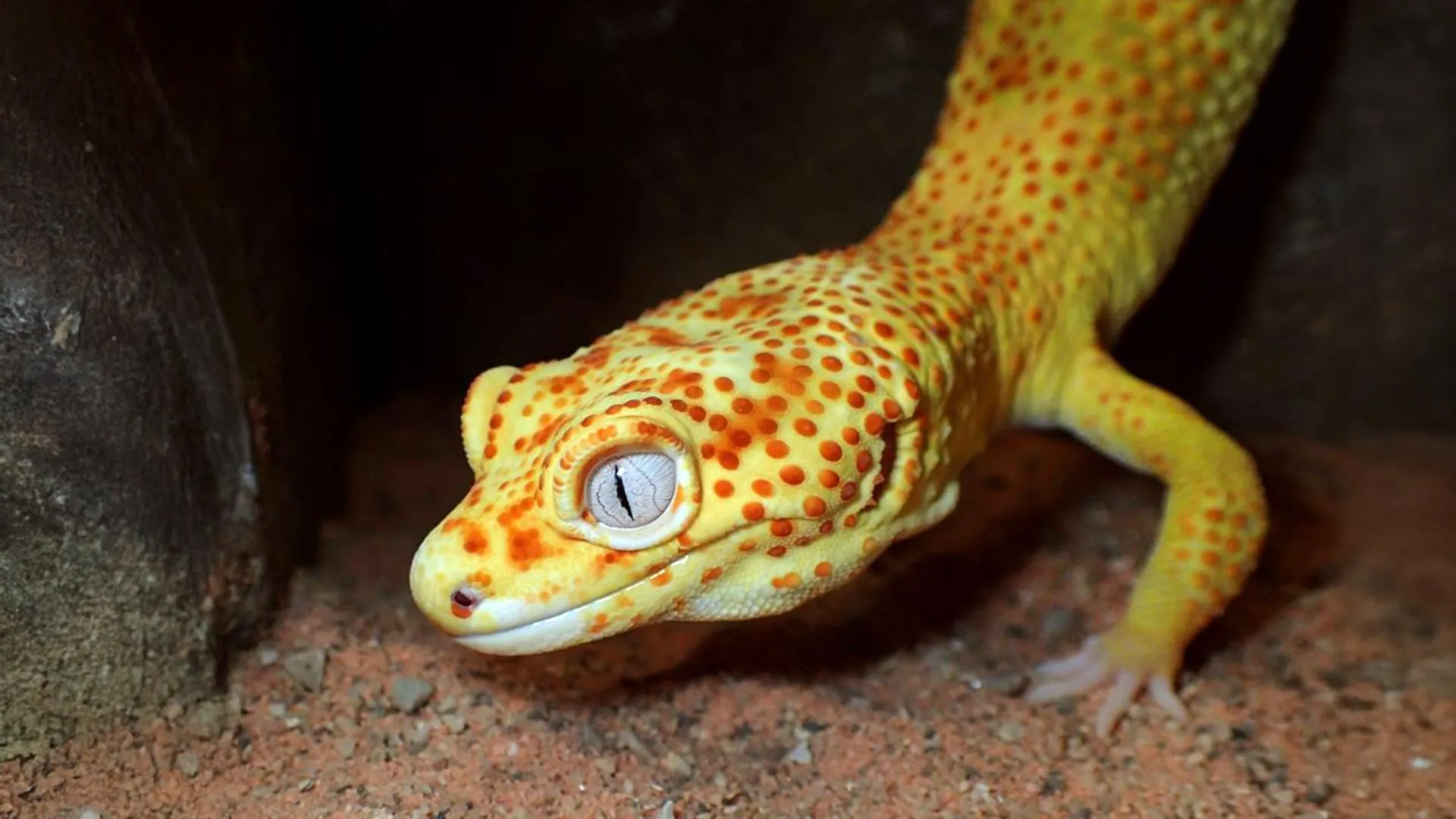 Image: Primary
 A white and yellow leopard gecko known in the pet trade as the "lemon frost" morph develops aggressive tumors in about 80% of individuals, and its cancers share key genetic changes with human cancers, offering a rare opportunity to study the disease as it develops naturally, according to research published in BMC Biology and reported by ScienceDaily. The study, led by the University of Nottingham, identified genetic changes linked to tumors in this gecko variety. Many of those changes involve the same genes and biological pathways associated with human cancers, raising the possibility that this reptile could help advance cancer research. Among reptiles, cancer risk varies widely, turtles and tortoises rarely develop the disease, while the lemon frost morph is highly susceptible. Dr. Ylenia Chiari from the School of Life Sciences at the University of Nottingham said that by studying why some animals are so susceptible to cancer while others are remarkably resistant, researchers hope to uncover the different ways species have evolved to deal with the disease.
Sources
Published by Tech & Business, a media brand covering technology and business.
This story was sourced from ScienceDaily and reviewed by the T&B editorial agent team.