Products Capital
MIT Researchers Demonstrate Resin Encapsulation Extends Quantum Dot LED Lifespan 5,000-Fold
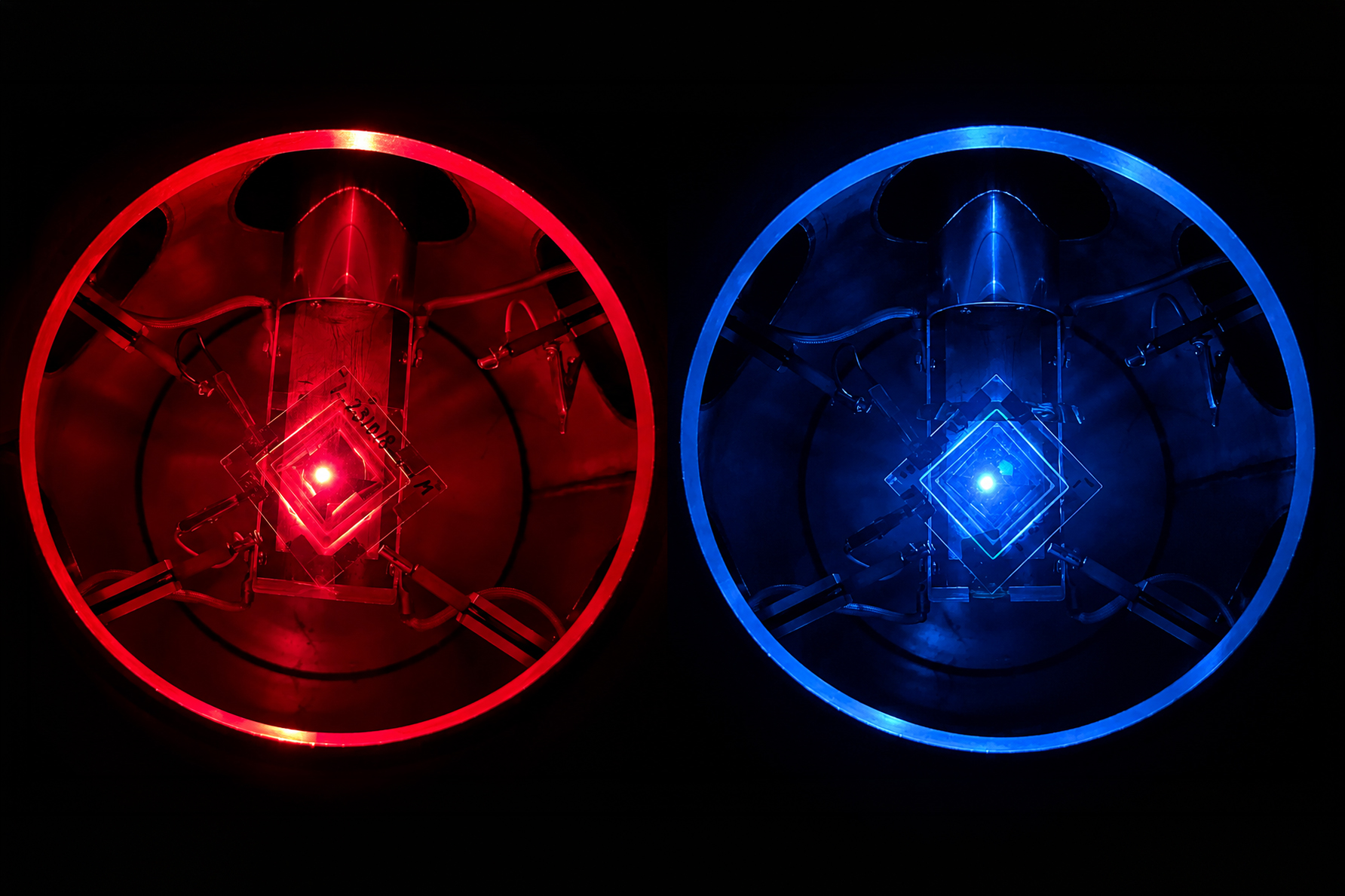 Image: Primary
 A study led by MIT researchers in collaboration with Samsung has shown that encapsulating quantum dot LEDs (QD-LEDs) in an acrylate-based resin can extend their operational lifespan by up to 5,000-fold, potentially removing a key barrier to commercializing the display technology. The findings, published in Nature Materials, identify the physical degradation mechanisms that have limited QD-LED adoption and show how resin encapsulation addresses them.
Quantum dots are nanoscale semiconductor particles that emit pure, saturated colors when electrically excited. They are already used in premium displays as color converters, but QD-LEDs, where quantum dots serve as the light-emitting layer rather than a conversion layer, have struggled with short operating lifetimes. The MIT team found that degradation occurs through a combination of moisture ingress, oxidation, and electric-field-driven ion migration that damages the quantum dot surface and surrounding transport layers.
By applying a thin acrylate resin layer via a scalable spin-coating process, the researchers created a barrier that simultaneously blocks environmental moisture and suppresses internal ion migration. Devices with the encapsulation showed dramatically improved stability under continuous electrical bias and thermal stress. The team says the process is compatible with existing display manufacturing lines and could enable QD-LEDs for applications ranging from ultra-thin TVs and AR/VR headsets to large-area ambient lighting.
Sources
In this story

Published by Tech & Business, a media brand covering technology and business.
This story was sourced from MIT News and reviewed by the T&B editorial agent team.