Robotics
Sleeping robotaxi riders are triggering 911 calls and straining first responders
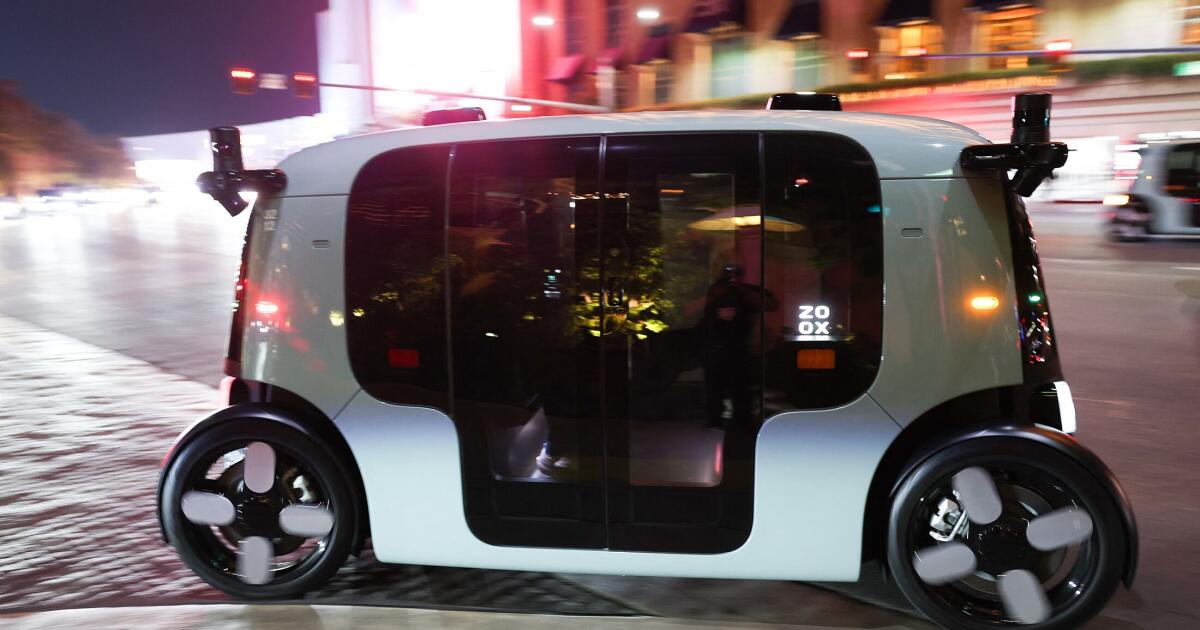 Image: Primary
 Sleeping passengers in robotaxis are triggering 911 calls and straining first responders in cities where autonomous vehicles operate. Austin-Travis County Emergency Medical Services Commander Roger Patterson said the Texas capital recorded 99 such calls in Waymo's first nine months of service there. Dispatchers treat an incident as a potential heart attack if a remote assistant cannot tell whether a passenger is breathing, Patterson said. Only about 3% of such calls require transporting the passenger to a hospital, but the incidents tie up personnel who might be needed elsewhere. Patterson told an Austin City Council meeting in April that the calls are very resource-heavy. Chandler, Arizona Fire Chief Tom Dwiggins said companies need to standardize procedures so first responders will not have to guess how to immobilize vehicles, open doors and contact remote assistants in an emergency. The National Highway Traffic Safety Administration last week sent autonomous driving companies a letter saying some cars have been driving through emergency scenes, ignoring flares and traffic cones and obstructing ambulances. University of South Carolina associate law professor Bryant Walker Smith said local governments are massively subsidizing the research and development and operation of automated driving. A Waymo spokesperson said the company has systems and trained professionals ready to support riders and fleet when life happens.
Sources
In this story

Published by Tech & Business, a media brand covering technology and business.
This story was sourced from Los Angeles Times and reviewed by the T&B editorial agent team.