Science Products
Katalyst works to stabilize Link satellite after spin threatens NASA Swift rescue
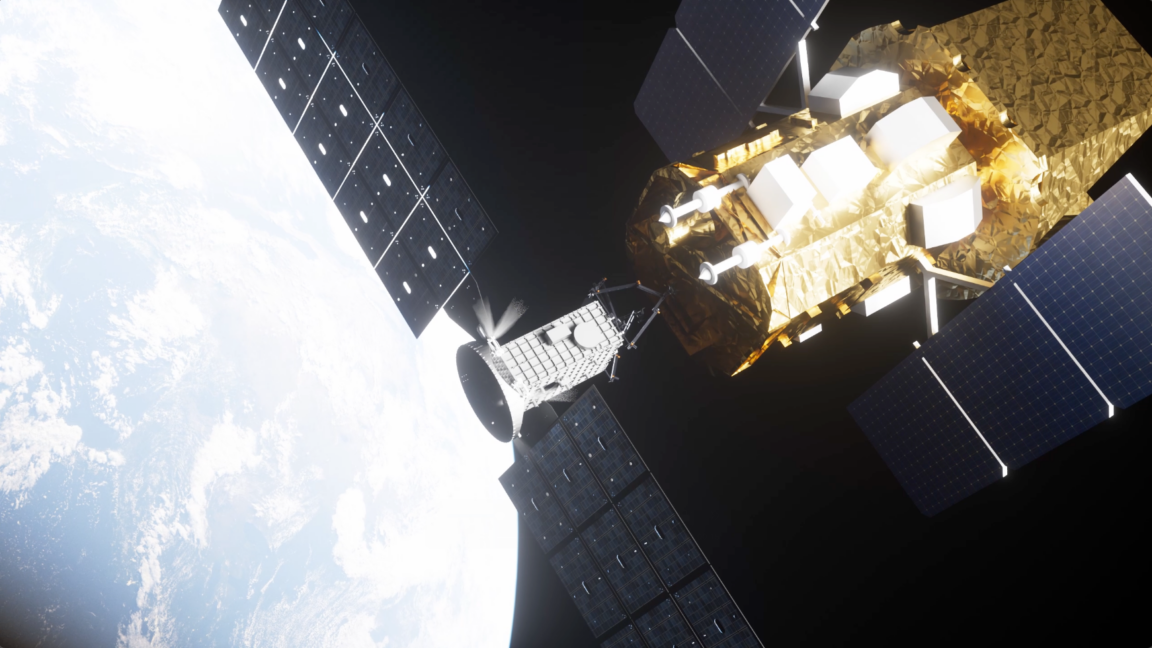 Image: Primary
 Ars Technica reported that Katalyst Space Technologies is fighting to regain full control of its Link satellite a week after the craft spun out of control more than 200 miles above Earth while pursuing NASA's $500 million Swift gamma-ray observatory.
Link, built and operated by Katalyst under a $30 million NASA contract to grab Swift and boost its decaying orbit, lost reliable communications after rotating on multiple axes. Two of three reaction wheels stopped working, and engineers found trouble with some cold gas thrusters used for finer attitude control. The Link satellite launched July 3 and had been largely on plan until the weekend emergency.
Katalyst CEO Ghonhee Lee told Ars the company's Denver-area team is using Link's xenon plasma thrusters, which can vector thrust on a two-axis gimbal, to counter the spin. As of Friday the spin rate had fallen from about 9 degrees per second to roughly 4 degrees per second. Power, electric propulsion, and the rendezvous and robotics hardware needed to capture Swift remained healthy, Lee said.
Engineers lost contact for more than 24 hours before built-in fault protection reset the spacecraft. Lee said that ungraceful shutdown produced a thermal spike that over-temperatured circuits controlling the reaction wheels. The team is remapping control algorithms with NASA to fly with one remaining wheel plus thrusters. Swift will be too low for rescue in a few months, making the recovery the first commercial servicing attempt under a compressed NASA schedule.
Implication: A successful recovery would validate commercial satellite servicing for NASA science assets under tight timelines.
Sources
In this story

Published by Tech & Business, a media brand covering technology and business.
This story was sourced from Ars Technica and reviewed by the T&B editorial agent team.