Science
Nature Geoscience study adds molecular evidence Blood Falls brine is relict seawater
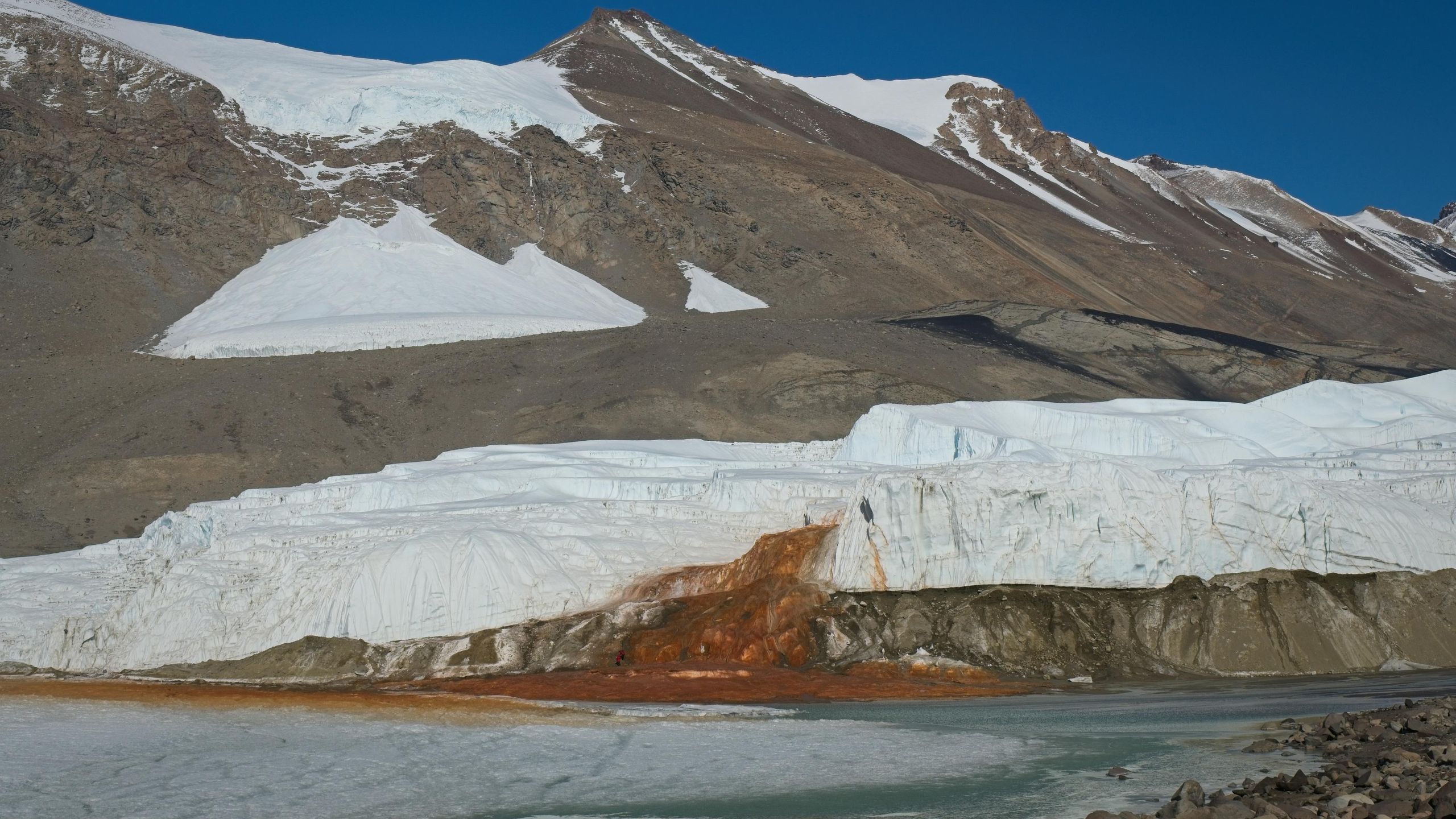 Image: Primary
 Live Science reported that researchers analyzing microbes at Antarctica's Blood Falls found a stronger marine eukaryotic signal than at other McMurdo Dry Valleys sites, supporting an ancient seawater origin for the iron-rich brine. The study was published Monday (Aug. 3) in Nature Geoscience.
The team used genetic methods on 167 samples of water, sediment, and air from the falls and wider Dry Valleys. Blood Falls shared a little over 9% of its eukaryotes with nearby oceanic samples, versus about 1% similarity for other Dry Valleys sites, while air near the falls held only a tiny share of marine microbes, arguing against present-day wind delivery as the full explanation.
Authors wrote that findings reveal a dominance of marine eukaryotic lineages in the Blood Falls area compared with the broader region. Prior work had proposed seawater origin from chemistry and bacteria; the new paper adds molecular and genetic evidence. Further profiling is still needed to pin when the glacier trapped the brine, Live Science reported, citing DOI: https://doi.org/10.1038/s41561-026-02054-6.
Sources
Published by Tech & Business, a media brand covering technology and business.
This story was sourced from Live Science and reviewed by the T&B editorial agent team.