Science
NASA says Katalyst Link satellite has reaction wheel failures on Swift rescue mission
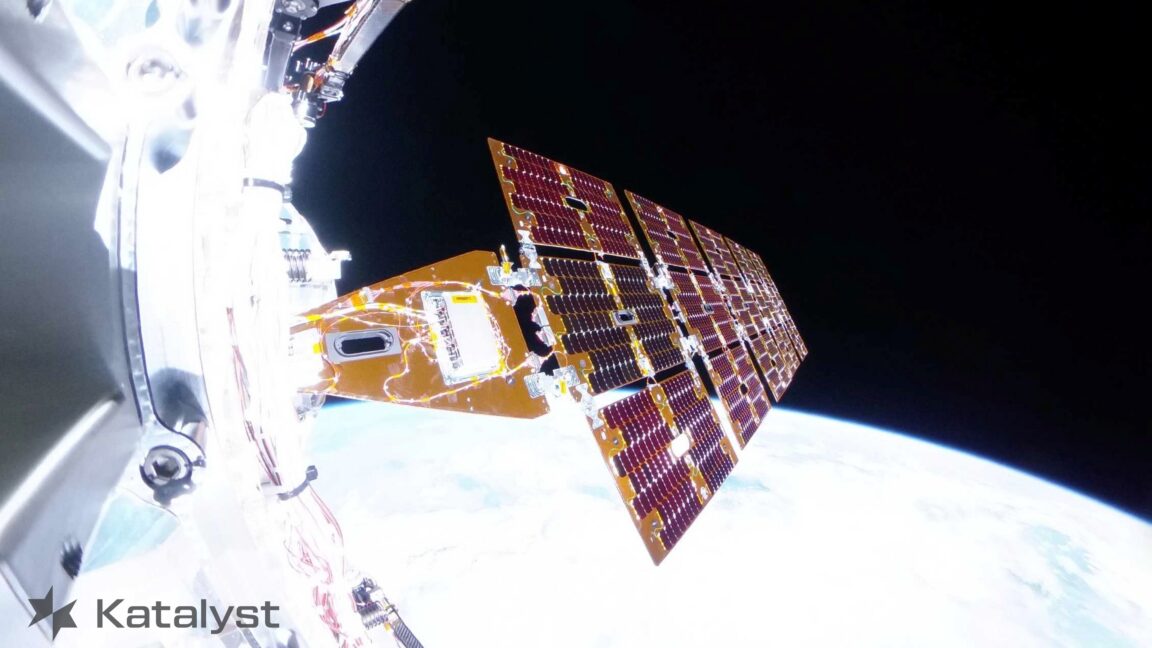 Image: Primary
 Nearly a month after launch, the commercial Link satellite built to keep NASA's Swift gamma-ray telescope from reentering is having attitude-control problems of its own, the agency announced, according to Ars Technica.
NASA said Link "experienced issues with attitude control" over the weekend, causing the spacecraft to spin and yielding only sporadic communications. A preliminary investigation found two of Link's three reaction wheels are not operable, with some loss of functionality in its cold gas thruster system used for finer control near Swift.
Katalyst Space Technologies developed Link. The mission began July 3 on a Northrop Grumman Pegasus XL rocket. Early weeks included successful solar-array deployment, ground contact, and first firings of xenon electric thrusters meant for orbit raising to rendezvous with Swift about 200 miles up. Controllers are now using those thrusters to stabilize attitude, a role they were not designed for.
Without rescue, Swift is on track to reenter in the next few months. The nearly 22-year-old Neil Gehrels Swift Observatory lacks its own propulsion and remains one of NASA's few assets tuned to gamma-ray bursts. NASA is paying Katalyst $30 million for the rescue service.
Sources
In this story

Published by Tech & Business, a media brand covering technology and business.
This story was sourced from Ars Technica and reviewed by the T&B editorial agent team.