Science
Greenland meltwater adds major AMOC weakening but not irreversible shutdown, model study finds
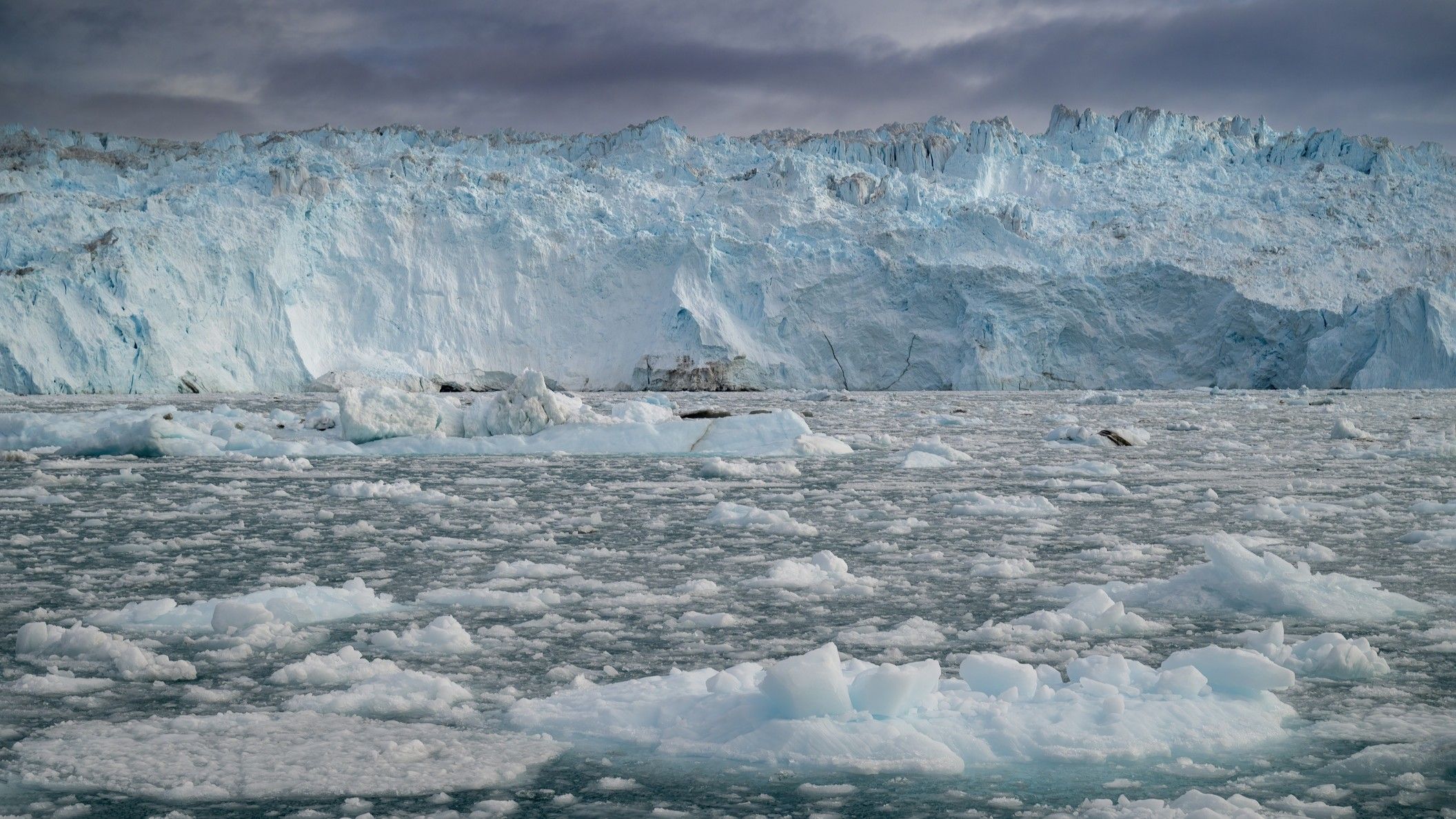 Image: Primary
 Runoff from Greenland's melting ice sheet could further weaken the Atlantic Meridional Overturning Circulation without forcing a complete, irreversible collapse, according to a modeling study reported by Live Science and published in Science Advances.
By 2100, Greenland meltwater could cut AMOC strength by an additional 10% to 20% on top of weakening already expected from other climate drivers, researchers found. By 2300 under continued high warming, the ice sheet could account for as much as 40% of extra AMOC weakening beyond some model baselines. Study co-author Jost von Hardenberg of the Polytechnic University of Turin said the largest share of the Greenland effect comes after 2100, when the ice sheet melts more strongly in their simulation through 2300.
The team coupled the Community Ice Sheet Model version 2 Greenland ice sheet to the EC-Earth3 global climate model so they could compare AMOC paths with and without explicit Greenland runoff. Fresh water and warmer surface waters hinder the formation of dense deep currents in the North Atlantic that help drive the overturning cell.
Unlike some studies that project irreversible AMOC collapse, this model recovered partially when meltwater was turned off and fully when greenhouse gas emissions were stopped, with or without the Greenland ice sheet component. Von Hardenberg described the result as consistent with strong weakening but not a shutdown. Outside experts stressed that a single model limits how far the resilience finding should be generalized and urged replication across a wider ensemble.
The paper is Mehling et al., Limited impact of Greenland meltwater on abruptness and reversibility of future Atlantic overturning changes, Science Advances.
Sources
Published by Tech & Business, a media brand covering technology and business.
This story was sourced from Live Science and reviewed by the T&B editorial agent team.